WFP releases June report on Iran
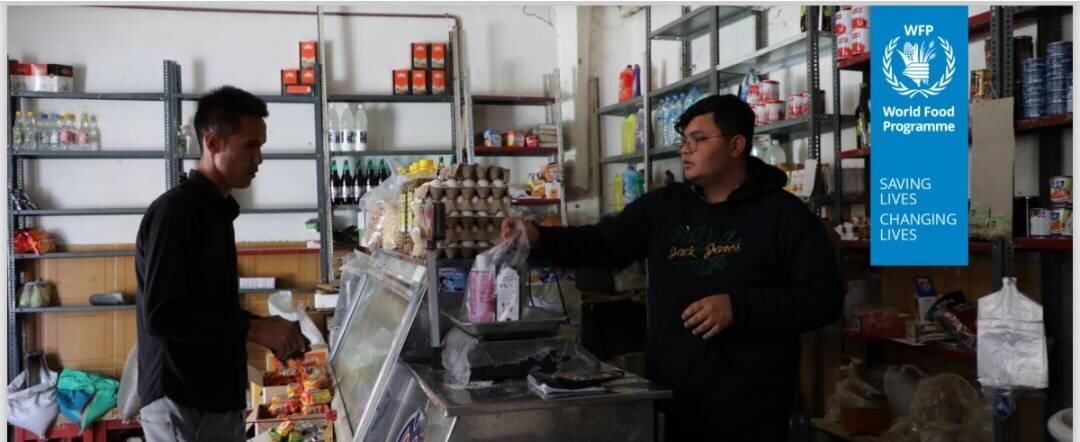
TEHRAN – The World Food Program (WFP) has released a report, expounding on activities in Iran over the month of June.
In June, WFP food assistance reached 35,542 beneficiaries, including Afghan and Iraqi refugees, through a hybrid combination of in-kind food and cash-based transfers (CBT).
Refugees are assisted with a staple food basket, which includes fortified wheat flour (a ration of 9 kg per person, reduced from 12 Kg since the month of November 2025 due to funding shortfalls).
Under CBT modality, WFP continued to provide cash assistance to support the essential living costs of vulnerable refugees. The transfer is IRR 8 million (USD 5.4) for households headed by men and IRR 9 million (USD 6) for households headed by women.
The June cash transfer was completed on the last day of the month due to a cyberattack that affected banks in Iran.
The school feeding program ended in May following the start of the summer break and the early-than-usual closure of schools due to warm weather and conflict-related disruptions.
However, a limited number of schools in refugee settlements remained operational until early June, allowing WFP to distribute biscuits and date bars as take-home rations to 1,853 refugee students and their teachers in those locations.
Milk could not be procured due to funding constraints and ongoing increases in the cost of dairy products.
Additionally, WFP provided refugee girls attending the remaining open schools with a monthly cash incentive of IRR 2 million (US$ 1.3).
This is an educational incentive to promote school retention of refugee girls by providing them with cash.
In June, WFP supported 30 income-generating projects in 18 settlements to improve economic resilience and self-sufficiency for 310 refugees, 39 percent of whom were women. These activities included welding, tailoring, baking, farming, and other trades.
A New Zealand contribution (EUR 7,500) will enable WFP to expand the second phase of the Semnan settlement Innovation Center, enhancing learning, vocational training, psychosocial support, and community services, particularly for women and girls, while improving the quality and reach of assistance to refugee communities.
Operational needs in Iran remain fluid and require ongoing adaption and reassessment of funding requirements. Despite the uncertain response scale – driven both by continued refugee movements and the evolving needs of conflict-affected Iranians – available resources remain insufficient to meet the needs of impacted populations under any currently foreseeable scenario.
WFP Iran’s Interim Country Strategic Plan (ICSP 2023-2027) supports over 35,000 food-insecure refugees through cash and in-kind food assistance, a refugee girls’ education cash incentive, and a school feeding initiative consisting of nutritious school snacks.
Moreover, WFP continues to equip refugees with complementary livelihood skills aimed at supporting their resilience and preparedness for voluntary, sustainable repatriation to their country of origin once the situation is conducive.
WFP has been operating in Iran since 1962, initially for its first emergency earthquake response until 1978, and subsequently reinitiating operations to address the refugee crisis from 1987 onwards. In light of the recent escalation in the region and resulting internal displacement in the country, WFP continues to monitor the situation and activated its emergency.
European Union Strengthens Support to WFP Assistance in Iran
On July 26, the WFP welcomed a EUR 3.08 million contribution from the European Union (EU) to support vulnerable refugees and conflict-affected people in Iran, helping sustain life-saving assistance over 12 months.
This contribution will enable WFP to maintain food security support for populations facing increased economic pressures and humanitarian needs, helping families meet their essential needs and protect their well-being.
Iran hosts one of the largest refugee populations in the world, the majority from Afghanistan. With support from the European Union and other partners, WFP provides food assistance to over 35,000 of the most vulnerable refugees across 20 settlements, including cash-based transfers, school feeding programmes and livelihood support.
“Many vulnerable families in Iran are facing growing economic pressures that threaten their ability to put food on the table,” said Mayssa Alghribawy, WFP Representative in Iran. “Thanks to the support of the European Union, WFP can continue providing critical assistance that not only meets immediate needs but also helps strengthen resilience over time.”
The contribution will also support WFP’s assistance to conflict-affected Iranians, ensuring that humanitarian assistance reaches those most in need in a timely, principled and needs-based manner.
Through its partnership with the European Union, WFP provides monthly cash assistance to vulnerable households, enabling families to purchase food from local markets based on their needs and preferences, while supporting local economic activity.
The European Union is a longstanding partner of WFP, and its support in Iran plays a vital role in enabling the organization to maintain operations and respond to evolving humanitarian needs. With this contribution, WFP plans to reach 52,000 (17,000 Iranians and 35,000 refugees) ensuring continued access to food assistance for vulnerable communities across the country.
Leave a Comment