Ancient Iranian wind towers inspire Italian designer for overheated cities
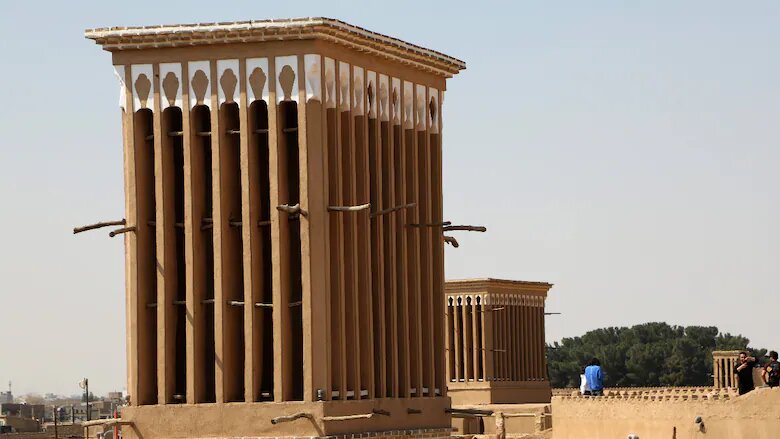
TEHRAN - An Italian designer is developing a concept for mobile wind towers inspired by Iran’s centuries-old wind catchers, locally named a Badgir, aiming to reduce urban heat by directing natural air flows into streets and public spaces affected by rising temperatures.
German media outlet Focus Online reported that Danilo Petta, a designer from Olbia on the Italian island of Sardinia, is working on the project to channel sea breezes and local winds into particularly hot areas during the summer months.
The design is based on traditional Persian wind towers, which have been used for centuries in Iran to cool buildings without relying on electricity. These architectural structures capture and redirect natural air currents to improve indoor comfort, particularly in cities such as Yazd, Kerman and Kashan.
“Cooling cities is an important issue. It is not enough to simply plant more trees,” Petta said, according to the report. He argued that urban planners should consider not only creating shade but also how to effectively direct airflow when designing public spaces.
The project is being developed in cooperation with the international architecture firm Mask Architects and engineering company AQH Italy. The proposed towers are designed to capture prevailing winds and sea breezes and redirect them toward areas with higher heat exposure.
Initial estimates indicate that the system could lower local air temperatures by between 1 and 2 degrees Celsius, while reducing perceived temperatures by up to 5 degrees. The aim is to create more comfortable outdoor environments and encourage greater use of public spaces during periods of extreme heat.
Petta also highlighted the need to redesign urban infrastructure such as bus shelters, arguing that materials such as Plexiglas can intensify heat by creating a greenhouse effect. He suggested that recycled and cooler materials could provide alternatives.
Beyond wind towers, experts have pointed to other climate adaptation measures, including green facades and the “sponge city” approach. Green walls can provide shade, help cool buildings and contribute to improving urban air quality, while sponge city designs use green spaces, retention areas and water management systems to reduce flooding and preserve water during heatwaves and drought periods.
The renewed interest in wind towers highlights how traditional architectural knowledge, including Iran’s indigenous cooling technologies, continues to inspire modern solutions to global challenges such as climate change and rising urban temperatures.
AM
Leave a Comment