The pomegranate: A fruit at the heart of Iran’s cultural heritage
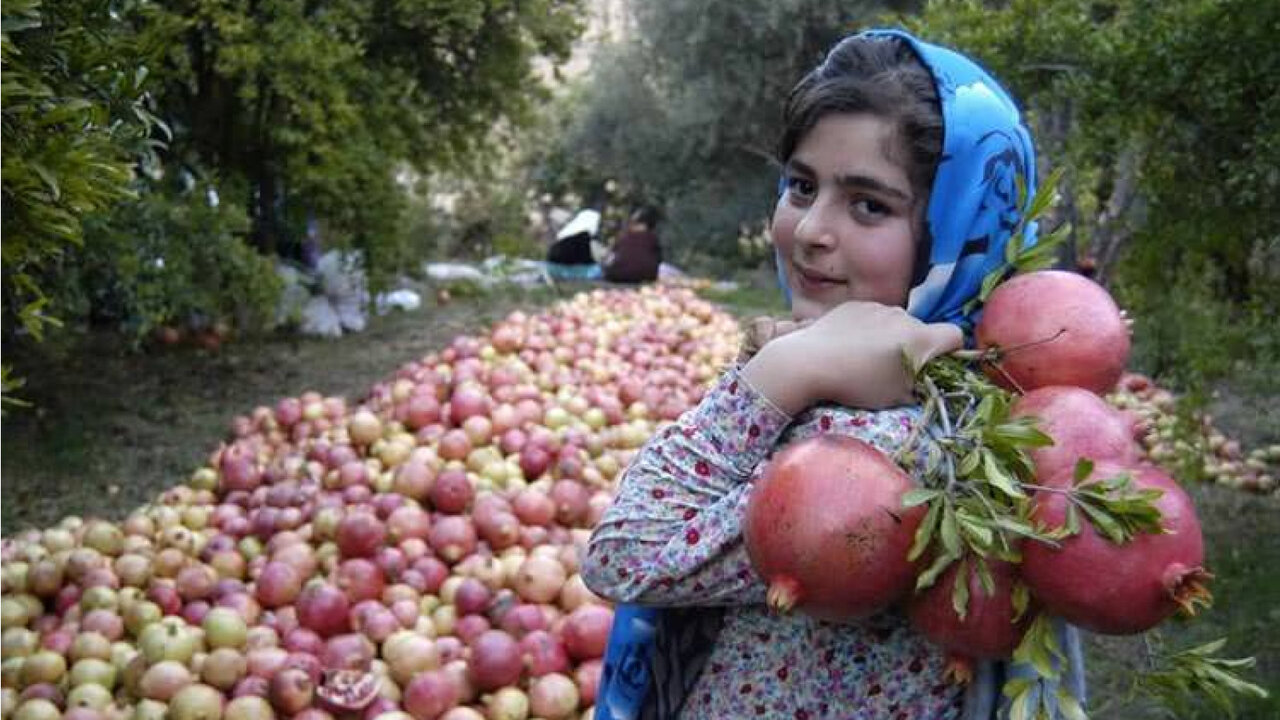
TEHRAN – The annual pomegranate harvest feast, one of Iran’s oldest agricultural celebrations, brings together villagers, visitors and returning residents in a traditional ceremony that combines fruit picking with music, local customs and cultural activities.
Known as Anar in Persian, the pomegranate has long held a place beyond Iran’s agricultural and culinary traditions. It is associated with life, beauty, spirituality and artistic expression, and features prominently in Iranian cultural practices, including the ancient Zoroastrian tradition and Yalda Night celebrations.
The fruit’s cultural significance is reflected in poetry, handicrafts, festivals and traditional cuisine, making it an enduring symbol of Iran’s cultural heritage.
The pomegranate feast is held in various parts of the country during the autumn harvest season, generally from September 22 to December 20. Among the villages known for preserving the tradition are Anbooh and Nowdeh, where the celebrations coincide with the gathering of the seasonal crop.
Anbooh, a historic village believed to date back around 3,500 years, is known for its natural landscapes, traditional architecture and agricultural products. Located in a remote geographical setting, the village features stepped houses built with native materials, earning it the nickname “the second Masuleh,” in reference to the famous stepped village in northern Iran.
The village is included in a tourism development plan and offers attractions ranging from historical and anthropological features to handicrafts, local products and traditional rituals. Its large, sweet and juicy pomegranates are among its best-known agricultural products.
The annual pomegranate feast is regarded as one of Anbooh’s oldest and most important local celebrations, preserving customs associated with the cultivation and harvesting of the fruit.
In Anbooh, the ceremony traditionally begins on the morning of the last Friday of Mehr, the seventh month of the Iranian solar calendar.
Following the gathering of villagers and prayers, the celebration features traditional music performed with instruments such as the dayereh, sorna and dohol, along with local games, competitions and the preparation of traditional bread and confectionery.
The villagers then enter the orchards and begin picking pomegranates.
According to local custom, the fruit is regarded as a gift from paradise and a symbol of beauty. The tradition prohibits entering the orchards or harvesting pomegranates before the designated celebration, which falls between mid-Shahrivar and late Mehr. Those who violate the custom may face the disapproval and customary punishment of the local community.
The celebration also serves as a homecoming occasion. Villagers who have moved away return to Anbooh to help with the harvest and take part in the festivities.
Women and girls wear colorful traditional costumes and join the men in picking pomegranates from the trees, continuing the work until dusk. Gardeners also demonstrate traditional irrigation practices and the preparation of pomegranate paste and other fruit products.
Visitors can purchase freshly harvested pomegranates and locally made products, providing an opportunity to experience the village’s agricultural traditions while supporting local producers.
Although pomegranates are cultivated in several Iranian provinces, the fruit is particularly associated with Saveh in Markazi province, which is known for its pomegranate production.
The pomegranate is indigenous to Iran and neighboring regions but is now cultivated across wide areas of West, South and Central Asia, North and sub-Saharan Africa, the Mediterranean basin, parts of Southeast Asia, the United States and Chile.
AM
Leave a Comment