Riyadh's vulnerability exposed: report
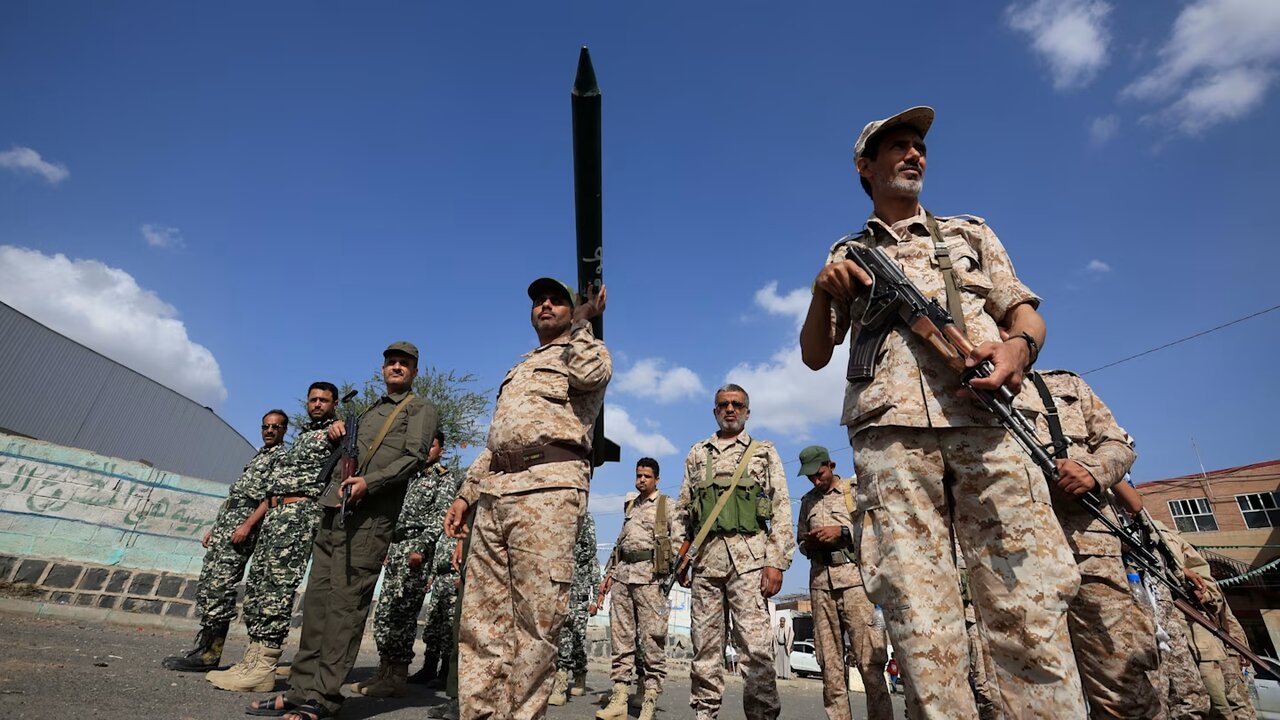
Saudi Arabia and the United States do not have a clear plan to fight back against the Yemeni Armed Force (YAF) who took control of a strategically important island on the Red Sea.
Multiple sources told CNN on Sunday that despite the US providing additional intelligence and targeting support to Saudi Arabia, it is still unable to push back against YAF forces.
Anonymous US officials who spoke to CNN said that for months, its intelligence reports indicated the YAF would attempt to close another key waterway for commercial shipping as Iran did earlier this year.
But despite Saudi Arabia's reassurances for the last decade that it had given effective training to the Saudi-backed Yemeni government to fight YAF, according to two US officials, Washington still believes that Riyadh is not capable of pushing back YAF.
The CNN report comes after US President Donald Trump unexpectedly cut short a retreat at Camp David to return to the White House on Saturday.
The Saudi-led coalition fighting Yemen's YAF reported on Saturday that the group fired a ballistic missile at Riyadh at dawn.
According to local media reports, Saudi authorities issued an unprecedented early-morning alert instructing residents to shelter indoors.
Firefighters were subsequently dispatched to extinguish a fire at a fuel depot near the capital's international airport, where a tanker bearing the Aramco logo had caught fire.
Limitations exposed
Coalition spokesperson Major General Turki al-Maliki confirmed the missile interception over Riyadh and noted that air defense’s thwarted separate attempts to target Taif, Baish, Farasan and the coastal city of Yanbu before they reached their targets.
YAF spokesman Yahya Saree claimed responsibility, stating the strikes were retaliation for "the Saudi enemy's criminal attempts to target the capital Sanaa".
The State Department and a number of US embassies in the region have also issued urgent security alerts to Americans, citing "the potential for unforeseen escalation" and noting that YAF has engaged in hostilities against Saudi Arabia.
According to reports, the weekend strikes are part of a broader, intensified campaign by the group to seize full control of Yemen's Red Sea coastline and the vital Bab al-Mandeb strait.
The offensive has exposed the limits of Saudi military capabilities; the kingdom is reportedly running critically low on missile interceptors to defend its domestic infrastructure and has requested urgent air defense support from France, Britain, Pakistan and Egypt.
Rebuffed requests
Riyadh's recently signed defence pacts with Turkey and Pakistan have yielded limited immediate action.
While Turkish Foreign Minister Hakan Fidan condemned the attacks and offered help under the trilateral pact, he warned that Saudi Arabia should be "kept out" of the broader conflict between Iran and the United States.
Pakistan similarly stated it would act only when the "time comes".
Despite these alarming developments, Washington has shown no appetite to directly enter the fray.
The Trump administration has signaled that its red line is direct US participation in kinetic strikes against the YAF, capping American involvement at intelligence sharing and targeting data - though the State Department did recently approve a $24.3bn sale of F-35 fighter jets to the kingdom to "deter current and future threats".
Saudi Crown Prince Mohammed bin Salman reportedly spoke with Trump twice last week to request US military strikes against the YAF, but those requests were rebuffed.
Trump has publicly communicated his desire to keep American forces out of the conflict, recently telling reporters: "The YAF called us and they don't want to fight with us... It's just one country they're not too happy with, and we'll get that straightened out."
This hands-off approach has deeply alarmed Persian Gulf Arab partners, who view the YAF offensive as a dangerous new front in a broader regional conflict.
As YAF advances exacerbate a severe global energy crisis and force Saudi Arabia to cut oil exports, Riyadh faces an increasingly dire reality: with the US reportedly solidifying its own ceasefire with the YAF via talks in Oman, the kingdom is left to manage a widening conflict largely on its own.
Leave a Comment