Iran expands rail routes to China, targets higher-value exports: TPO
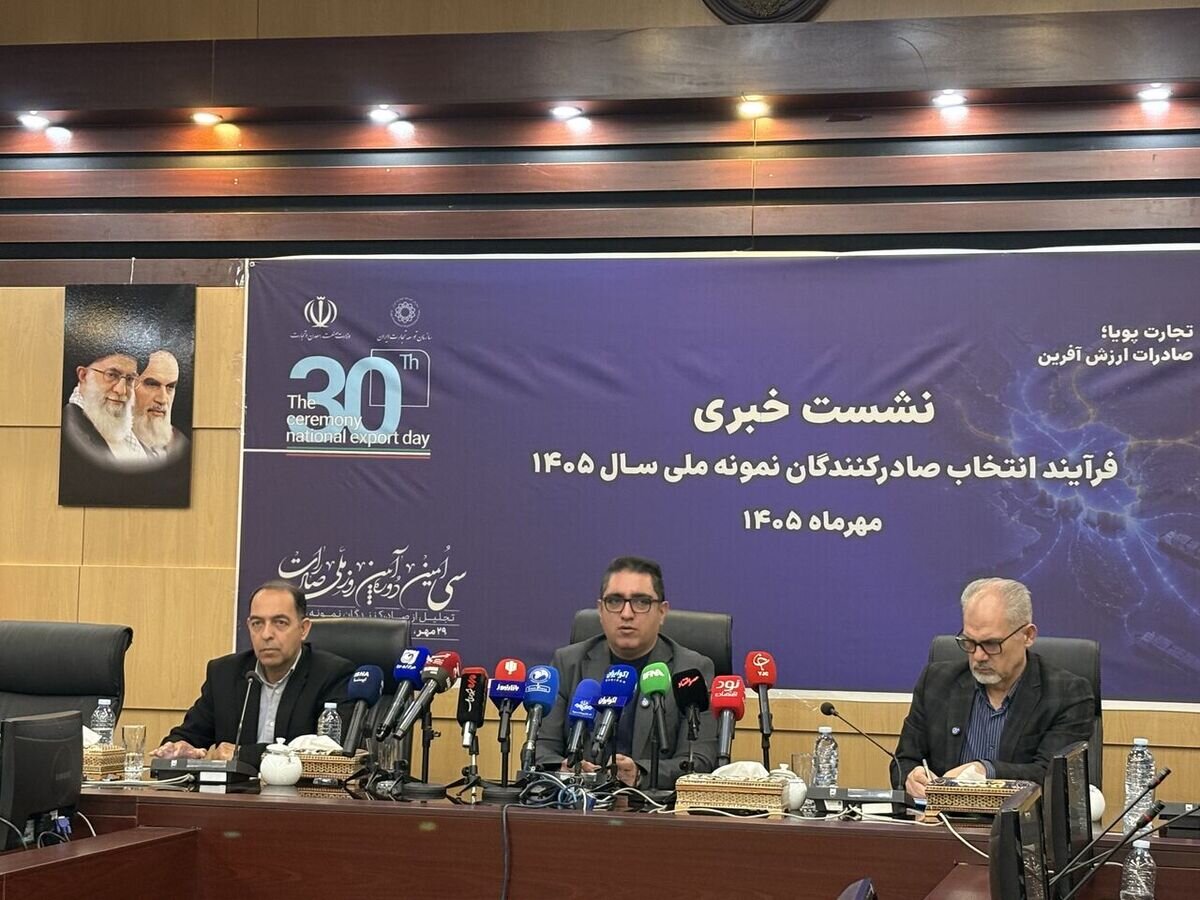
TEHRAN- At a press conference, Amir Roshanbakhsh Ghanbari, deputy for international business development at Iran’s Trade Promotion Organization (TPO), said Iran is negotiating with China to develop rail routes for goods transit, with part of Iranian cargo already moving to China via Yazd Dry Port. He said transport is a fundamental trade issue and current conditions impose restrictions.
Last year, Iran exported about 155 million tons and imported about 42 million tons, much of it by sea. With trade routes limited, TPO has divided responses into short-, medium- and long-term measures. Short-term steps include increasing capacity of executive agencies, managing borders, and using border provinces. At Bazargan, he said, higher traffic and truck queues partly stem from limited acceptance capacity on the other side, so not all problems can be managed domestically.
Rail capacity is limited: each train has about 55 wagons and carries about 1,500 tons, compared with about 100,000 tons for a ship. Moving the same amount by truck would require about 3,000 trucks. Therefore, rail and land capacity must be used alongside sea routes. Alternative routes require cooperation with neighbors and trade partners, with infrastructure on both sides.
Ghanbari said recent conditions showed the need to reform trade governance and transport infrastructure after the current period. Otherwise similar import-export problems could recur. Trade finds its way, but when main arteries are blocked, alternatives must exist.
The 30th National Export Day will focus on trade infrastructure and sustainable routes, starting Monday, 20 Mehr. A joint event with the Ministry of Roads and Urban Development will examine transport and sustainable export routes. The second day will address higher export value and services.
For National Exemplary Exporters, 367 applicants entered evaluation; 277 completed files reached final assessment: 235 in goods, 26 in knowledge-based goods, and 16 in services. There are 42 commodity groups and seven service groups.
The average value of Iran’s exported goods is about $300–350 per ton, while some knowledge-based and high-tech products can reach $1,500–2,500 per ton. Services exports reached about $3 billion in 1404, including $1.8 billion in technical and engineering services, up from $790 million in 1403.
TPO also launched an Export Atlas, providing commodity-and-country trade data, competitors, intermediaries, monthly growth charts, and provincial production and export shares. Other planned meetings will cover financing, export management companies, standards, trade laws, diplomacy, and exporters’ demands, including direct importer-exporter transactions.
Leave a Comment