UN coordinator calls for joint action to protect Caspian Sea
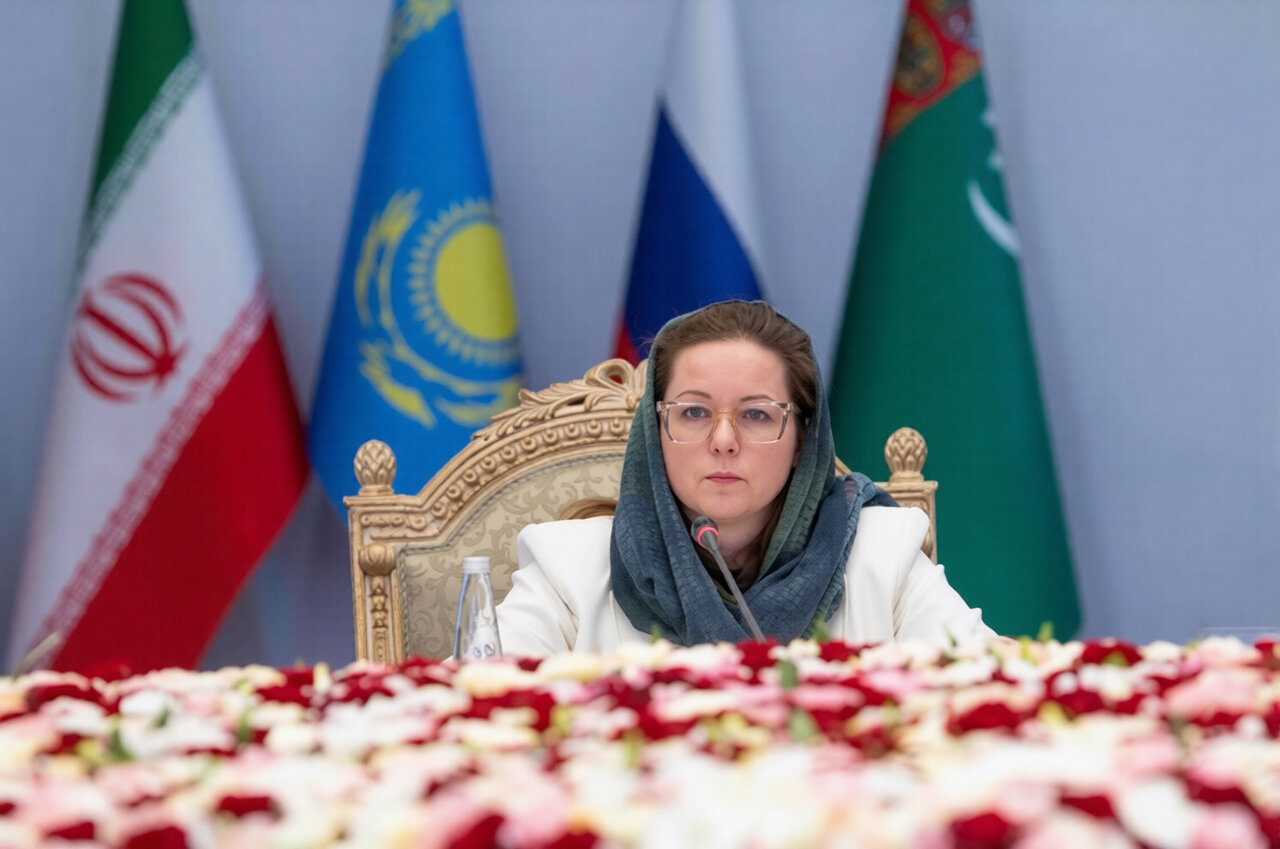
TEHRAN – Protecting the Caspian Sea is not only an environmental priority but also a priority for sustainable development, UN Resident Coordinator in Iran Christine Weigand has said, noting that the environmental challenges facing the transboundary body of water require joint and collaborative solutions.
Weigand made the remarks at the seventh meeting of the Conference of the Parties (COP7) to the Tehran Convention on the Protection of the Marine Environment of the Caspian Sea in Tehran on Wednesday.
The gathering of the five littoral states around a shared ecosystem provides an important opportunity to strengthen regional cooperation and translate common commitments into practical measures to protect the Caspian Sea, she said.
Noting that 2026 marks the 20th anniversary of the entry into force of the Tehran Convention, the UN official said the Caspian Sea has sustained human life and civilizations for thousands of years and remains a source of livelihoods and well-being, an important transportation route, a valuable reservoir of natural resources and a habitat for unique marine biodiversity.
“Protecting the Caspian Sea is not only an environmental priority, but a sustainable development priority,” she said, stressing that the health of the sea is directly linked to the livelihoods and well-being of surrounding communities, economic activities, sustainable natural resource management and regional resilience.
Environmental challenges, she added, do not stop at national borders. Marine pollution, biodiversity loss and mounting pressure on shared ecosystems have transboundary consequences and therefore require cross-border and participatory solutions.
Weigand described the Tehran Convention as an important framework for joint action by the littoral states, saying it facilitates the advancement of scientific knowledge, the exchange of data and experience, the development of effective policies and the translation of shared commitments into collective action.
She also highlighted the UN’s role in supporting environmental cooperation in the region, noting that the United Nations Environment Programme (UNEP) hosts the Tehran Convention Secretariat, while various UN agencies operating in the region draw on their complementary expertise to support the littoral states in advancing the convention’s objectives.
In Iran, the United Nations Development Programme (UNDP) and UNEP are working with national and local partners under the broader Caspian Sea initiative to translate regional commitments on marine litter and plastic pollution into concrete action, she said.
Strengthening waste separation and recycling in coastal communities, promoting circular approaches to plastics and providing community-based grants for local solutions are among the measures being pursued under the initiative, she added.
The UN Resident Coordinator also underscored the need to engage the private sector and local communities, including women and young people, in improving waste management systems.
“Protecting our seas is a shared responsibility, and no country, institution or organization can protect this unique ecosystem alone,” she said.
Leave a Comment