Iran proposes 'Islamic Security Belt'
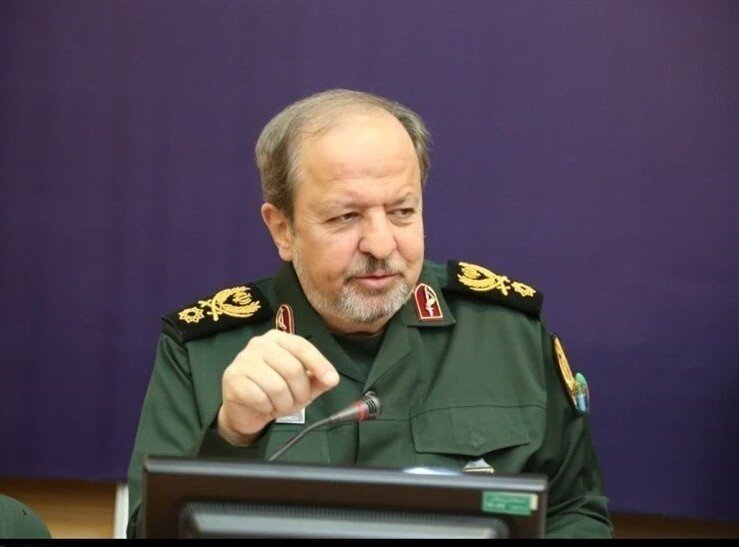
TEHRAN– Iran has proposed the creation of a regional security framework involving major Muslim nations, arguing that closer defense and security cooperation among Islamic countries is essential to counter Israeli aggression and promote long-term stability across the region.
The proposal was raised during a telephone conversation between Iran’s caretaker Defense Minister, Brigadier General Majid Ebnolreza, and Pakistan’s Defense Minister, Khawaja Muhammad Asif. The Iranian minister began the call by expressing condolences over the deaths of several Pakistani military personnel in a recent helicopter crash and thanked Islamabad for its support and solidarity with Iran during recent regional tensions.
Ebnolreza praised Pakistan’s positions on regional developments, particularly its condemnation of attacks against Iran and its support for Tehran in international forums, including meetings of the Shanghai Cooperation Organization. He said the Iranian government and people would not forget the support shown by friendly nations during difficult circumstances.
The Iranian minister also commended the Pakistani government and armed forces for their role in facilitating diplomatic efforts and recent understandings aimed at reducing regional tensions. At the same time, he stressed that Tehran remains cautious despite the signing of a memorandum of understanding, emphasizing that Iran’s Armed Forces would respond decisively to any violation of the agreement.
Referring to Israeli military actions in Gaza, Lebanon, and Syria, Ebnolreza argued that continued instability in the region serves Israeli interests and called on Muslim countries to adopt a unified approach to confront 'Israeli aggression and expansionist policies.'
As part of that strategy, he reiterated Tehran’s proposal for the establishment of a “Regional Security Belt of the Islamic World,” comprising countries including Iran, Pakistan, Saudi Arabia, Turkey, Egypt, and other Muslim states. According to the Iranian minister, the initiative would provide a platform for enhanced security coordination, regional dialogue, and collective efforts to address common challenges facing the Islamic world. He also announced Iran’s readiness to begin consultations with regional governments regarding the proposal.
For his part, Pakistan’s defense minister praised the 'Iranian nation’s resilience in the face of recent attacks,' saying the country’s response demonstrated determination and national unity. He added that the resistance shown by the Iranian people and Armed Forces would be remembered as a significant chapter in regional history.
Khawaja Muhammad Asif described relations between Iran and Pakistan as deeply rooted and fraternal, emphasizing that the people of Pakistan maintain close ties with the Iranian nation and have consistently supported Iran during challenging times.
Welcoming Tehran’s proposal for a regional security framework, the Pakistani minister expressed hope that once regional conditions stabilize, a new phase of cooperation among Islamic countries could emerge. Such cooperation, he said, could contribute to the development of collective security arrangements aimed at preventing aggression, strengthening regional stability, and promoting lasting peace.
Asif also condemned Israeli actions in Gaza, describing the situation as one of the region’s most pressing humanitarian and security challenges, and called for greater unity among Muslim nations in addressing regional crises.
The exchange reflects growing calls within parts of the Islamic world for stronger regional cooperation mechanisms amid continuing conflicts and geopolitical tensions across West Asia.
Leave a Comment