Experts discuss strategies to protect cultural heritage and historic cities during wartime

TEHRAN – Iranian experts on Tuesday examined international approaches to safeguarding cultural heritage and the historical identity of cities during armed conflict, calling for stronger documentation, digital preservation, legal protection, and broader international cooperation while emphasizing the role of cultural resilience in the aftermath of war.
The expert panel, titled “International Strategies for Preserving the Historical Identity of Cities,” was held at the UNESCO World Heritage site of Golestan Palace in downtown Tehran and focused on cultural heritage damaged during war, bringing together scholars, legal experts, urban planners and cultural heritage officials to discuss international experiences, challenges and strategies for protecting historical assets in times of crisis.
Organized by the Tehran’s Urban Research and Planning Center, the event brought together Ali Shamsipour, head of the Urban Research and Planning Center; Hassan Fartousi, secretary-general of the Iranian National Commission for UNESCO; Hossein Raei, assistant professor at the Faculty of Architecture and Urban Planning of Iran University of Science and Technology; and Aramesh Shahbazi, associate professor at the Faculty of Law and Political Science of Allameh Tabataba’i University, along with a number of cultural heritage experts, researchers and enthusiasts.
Speaking at the meeting, Shamsipour said the damage inflicted on Iran’s cultural heritage during what he described as the “imposed war” highlighted the need to broaden the concept of heritage resilience beyond the physical preservation and restoration of monuments.
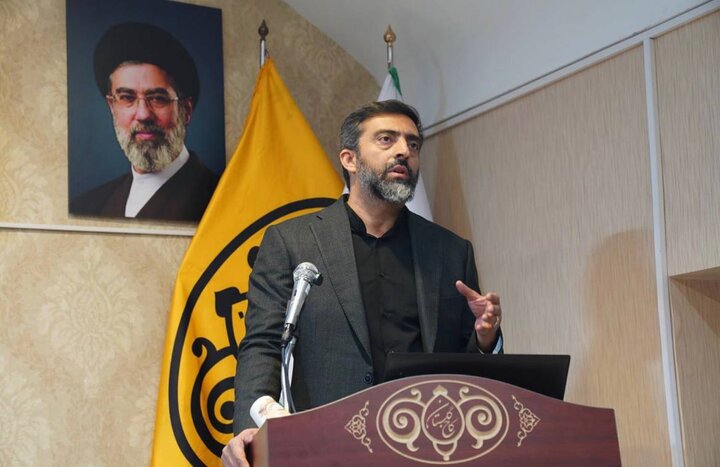
He underlined that attacks on cultural sites can also create new layers of historical memory and cultural significance, saying places associated with wartime events may themselves become part of a nation’s cultural heritage and collective identity.
According to Shamsipour, cultural resilience should be understood not only from architectural and engineering perspectives but also through its social, cultural and human dimensions, adding that public solidarity, collective memory and shared historical experiences also constitute important components of a society’s cultural heritage.
He said some damaged sites and memorials could eventually become symbols of resilience for future generations and visitors, much like locations associated with the 1980-88 Iran-Iraq war that today form part of the country’s historical narrative.
Fartousi said preserving the historical identity of cities remained a responsibility in both peacetime and wartime, crediting cultural heritage authorities, municipalities and local officials for documenting damage to heritage sites during the recent conflict.
He said documentation teams recorded destruction at several locations across the country and submitted their findings to UNESCO, recalling that when investigators arrived in Lorestan province, the provincial office of the cultural heritage department had itself been destroyed.
Fartousi also highlighted shortcomings in digital documentation and legal preparedness, saying the assessment process revealed significant gaps in heritage documentation, with some institutions lacking comprehensive photographic records showing the condition of cultural properties before and after the attacks.
He called for closer alignment with international standards governing the protection of cultural heritage and said negotiations with several international organizations had helped secure cooperation and financial support for future restoration and reconstruction efforts.
Raei said international experience distinguishes between “war heritage” and “heritage in war,” arguing that understanding the difference is essential for developing appropriate conservation policies and learning from the experiences of other countries.
He said physical restoration alone was insufficient and warned that reconstruction efforts should not erase evidence of conflict, arguing that traces of war themselves could become part of a site’s historical narrative and cultural significance.
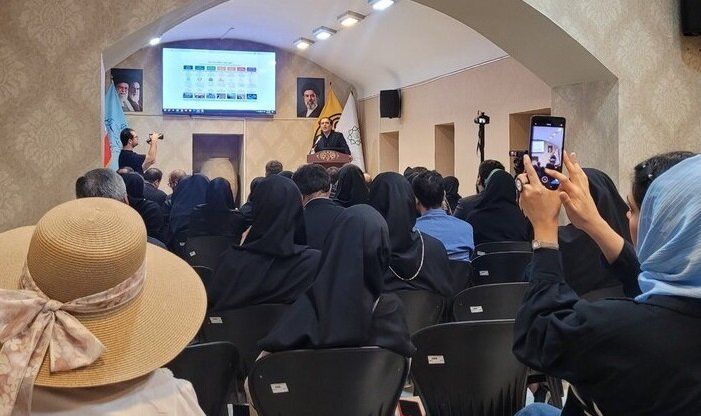
Referring to international examples, including the preservation of sections of the Berlin Wall, Raei stressed the importance of digitizing archives, photographs, films and audiovisual materials to preserve historical memory and ensure that future generations can understand the impact of armed conflict on cultural heritage.
He also called for careful management of the buffer zones surrounding heritage sites, particularly those of outstanding historical value.
Shahbazi, for her part, examined the issue from the perspective of international law, saying legal mechanisms could provide protection for cultural property but also had inherent limitations.
She said it would be unrealistic to expect international law to provide solutions to every challenge, noting that many issues involving cultural heritage fall under multiple legal frameworks and jurisdictions.
According to Shahbazi, states may bear responsibility for compensating damage to cultural property, while individuals responsible for the destruction of heritage assets could face criminal liability under applicable international legal frameworks.
Following the panel discussion, participants toured parts of Golestan Palace, including the Marble Throne Hall, the Mirror Hall and the Shams-ol-Emareh building, which sustained significant damage during an air strike on the nearby Arg Square on March 2.
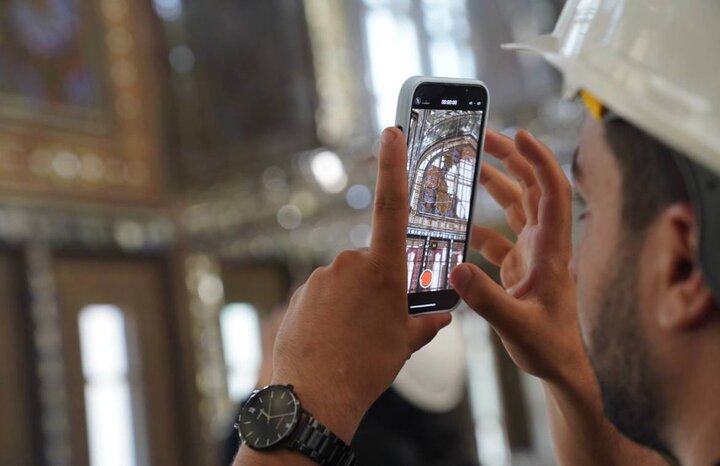
According to Iran’s Ministry of Cultural Heritage, Tourism and Handicrafts, a total of 149 historical sites across 18 provinces were damaged during the US-Israeli war against Iran, which began on Feb. 28. The ministry said the affected sites included 70 in Tehran province, 13 in Kordestan province, five in Kermanshah province, four in Lorestan province, three in Qom province and two in Bushehr province, among others.
AM
Leave a Comment