Relative recounts Ayatollah Khamenei's simple lifestyle, family values
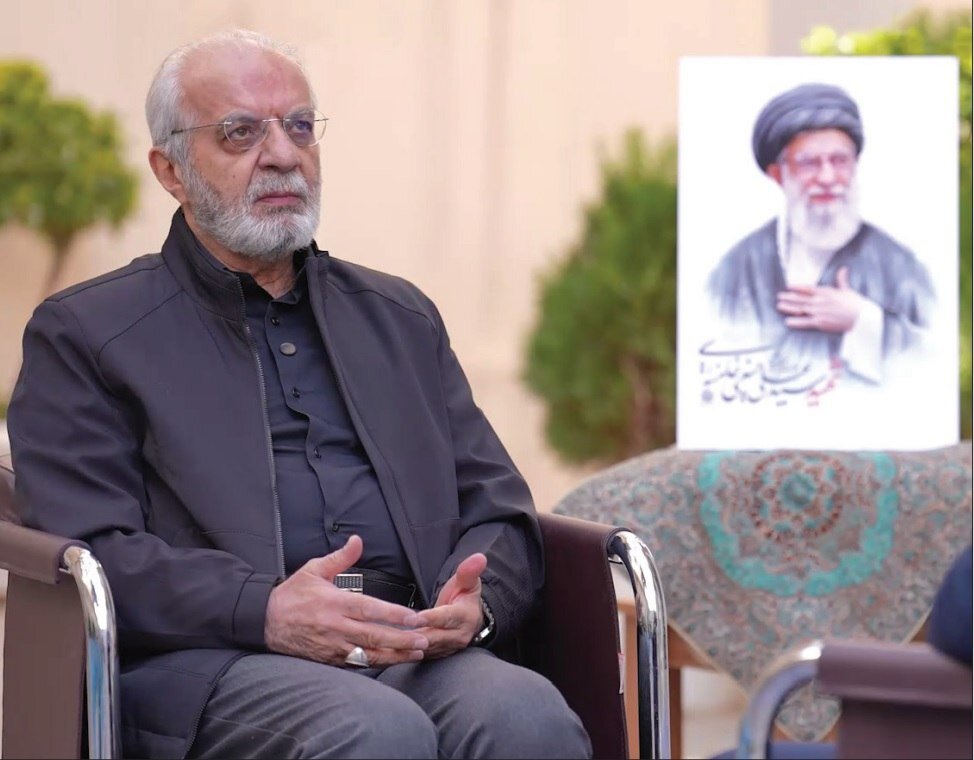
TEHRAN – A newly published interview with Hassan Khojasteh Baqerzadeh, the brother of the martyred Leader's wife, offers a rare and personal account of the character, family life, and leadership style of Ayatollah Seyyed Ali Khamenei, portraying a man whose public responsibilities never overshadowed his commitment to his family, faith, and simple way of life. The interview was recorded at the martyred Leader's former residence in Tehran's Iranshahr neighborhood following his martyrdom.
Khojasteh recalled that the modest house served as both a family home and a center for revolutionary, religious, and cultural activities for many years. Even before the victory of the Islamic Revolution, the residence welcomed students, scholars, and political activists who sought guidance from Ayatollah Khamenei. According to him, the growing number of visitors eventually required the family to relocate from their previous home as the Leader's responsibilities expanded.
One of the interview's recurring themes is the Leader's emphasis on nurturing younger generations. Khojasteh said Ayatollah Khamenei organized regular weekly family gatherings in which relatives, especially teenagers, were encouraged to write essays on religious, cultural, and social issues and present them before the group. Rather than merely listening, he personally reviewed their writings, discussed their ideas, and motivated them to continue learning and developing intellectually.
Despite holding some of the country's highest political positions, including the presidency and later the leadership of the Islamic Republic, Ayatollah Khamenei maintained what Khojasteh described as a clear separation between official duties and family life.
"When he returned home, he was simply the father of the household," Khojasteh said, stressing that work-related matters were rarely brought into the family environment. He recalled never hearing the Leader raise his voice at home, describing his conduct toward his wife, children, and relatives as consistently respectful, patient, and compassionate.
The interview also highlights the Leader's relationship with his wife, describing it as one built on mutual respect and affection. Khojasteh said Ayatollah Khamenei never imposed personal demands regarding daily household affairs and always sought to preserve the dignity of family members. According to him, this atmosphere of respect shaped the upbringing of the Leader's children, who adopted a modest lifestyle despite their father's position.
Simplicity, Khojasteh noted, was not merely symbolic but reflected in every aspect of the family's daily life. He recalled that the Leader's home remained remarkably modest, with simple furnishings and few possessions, saying that aside from his extensive personal library, nearly all of his belongings could fit into a single vehicle.
Books occupied a central place in Ayatollah Khamenei's life. Khojasteh described an organized library containing works on Islamic studies, history, politics, literature, and novels. He said the Leader personally arranged every shelf and kept careful records of borrowed books, reflecting both his passion for reading and his disciplined character.
The interview further portrays a daily routine centered on worship and learning. According to Khojasteh, Ayatollah Khamenei regularly performed lengthy night prayers, recited the Quran every morning, and maintained a lifelong interest in Persian poetry, particularly classical and contemporary works.
He also remained engaged with literature, cinema, and artistic productions, believing that religious leadership should remain connected with cultural developments.
Khojasteh additionally recalled the close relationships the Leader maintained with prominent figures of the Axis of Resistance, including martyr commander Qassem Soleimani and Sayyed Hassan Nasrallah, describing them as relationships founded on mutual trust, humility, and shared commitment.
Summing up the Leader's personality, Khojasteh mentioned that perhaps his most distinguishing characteristic was his ability to combine immense political authority with an exceptionally modest personal life. In his words, Ayatollah Khamenei remained "a political leader, a man of war, and above all, a devoted family man"—qualities that, he believed, will remain among the defining features of his legacy.
Leave a Comment